Microservices architectures have transformed how teams build and scale applications, but they also introduce new challenges for testing and validation. According to a 2024 CNCF survey, over 70% of organizations cite environment complexity and infrastructure costs as top barriers to effective Kubernetes (K8s) testing. Traditional approaches—like full environment replication or namespace-based isolation—often lead to resource waste, slow feedback cycles, and missed integration issues. Signadot addresses these pain points with a Kubernetes‐native microservices testing platform that delivers rapid, cost‐effective, and high‐fidelity testing environments. This article examines why Signadot stands out among K8s testing solutions, focusing on its technical innovations, efficiency, and unique value for modern development teams.
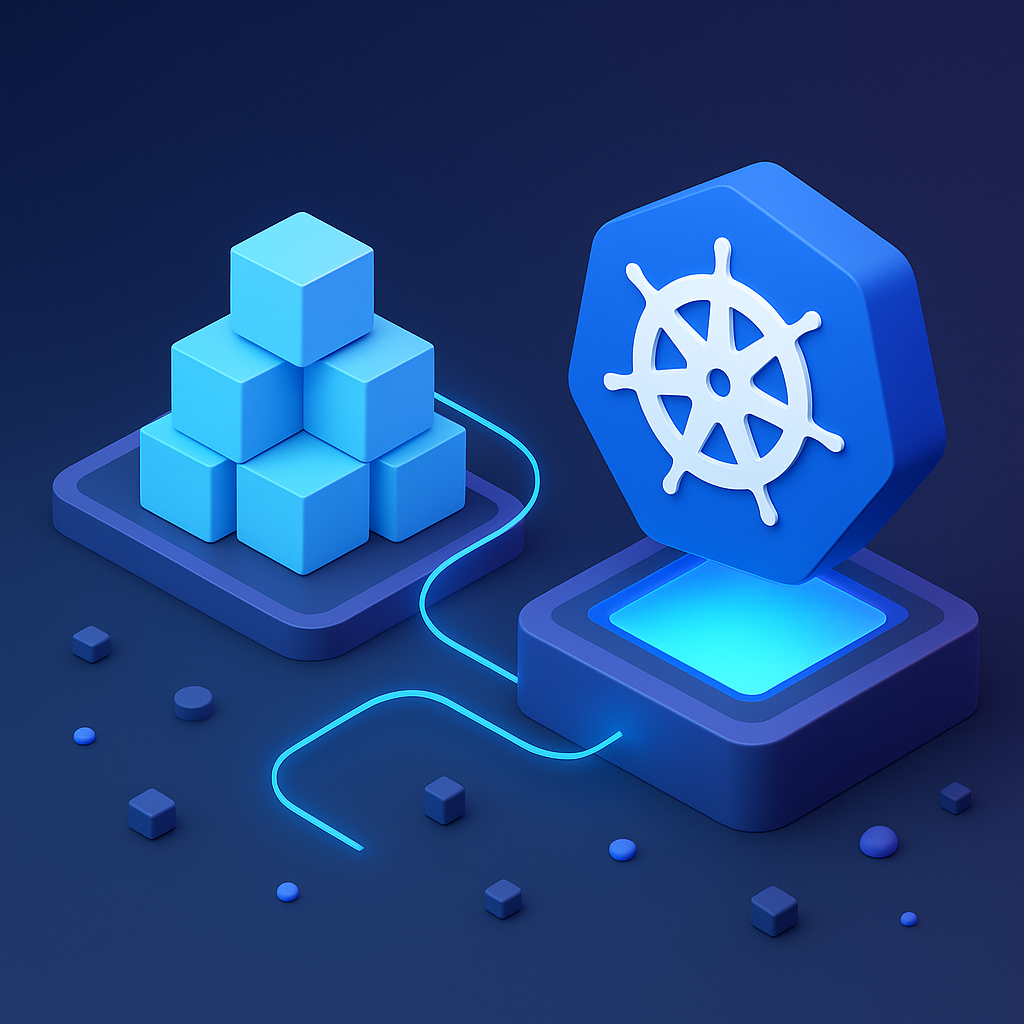
Signadot introduces the concept of Sandboxes: lightweight, ephemeral environments created within existing Kubernetes clusters. Unlike traditional namespace‐based or full‐cluster replication approaches, Sandboxes deploy only the changed components for a given test or pull request, while seamlessly connecting to existing services and data[1].
Example: A team working on a payment microservice can test changes in isolation, with live connections to authentication and order services, without spinning up redundant copies of the entire stack.
“Signadot creates lightweight sandboxes that share a single Kubernetes cluster, enabling teams to run integration, end-to-end, and contract tests efficiently.” [1]
Signadot installs directly into your Kubernetes cluster and connects to a remote control plane. It uses advanced request routing—via a built-in devmesh for HTTP/gRPC or service mesh integration (Istio, Linkerd)—to direct traffic between Sandboxes and baseline environments. Standard header propagation protocols like OpenTelemetry and B3 ensure reliable traffic splitting[1].
For asynchronous workflows, Signadot provides message queue isolation with libraries for Kafka, RabbitMQ, and others. These libraries create sandbox-specific topics and queues, maintaining message order and cleaning up resources automatically when Sandboxes are deleted.
Signadot supports automated test execution within customer Kubernetes clusters, integrating with popular frameworks such as Playwright, Selenium, RestAssured, and Postman[2].
Signadot’s SmartTests platform introduces AI-driven contract testing for APIs. Smart Diff technology enables zero-maintenance API validation, automatically detecting contract changes and surfacing issues before they reach production[1].
Insight: AI-powered contract testing reduces manual effort and helps teams catch breaking changes early, supporting a shift-left testing strategy.
Traditional environment replication multiplies infrastructure costs as each developer or test run requires a full copy of the application stack. Signadot’s Sandboxes share the cluster and only deploy changed components, reducing infrastructure costs by up to 90%[1].
CriteriaSignadot SandboxesTraditional ReplicationProvisioning TimeSecondsMinutes to HoursResource UtilizationMinimal (only changes)High (full stack)Infrastructure CostReduced by up to 90%Linear with environment countData IsolationTemporary schemas/databasesFull database copiesTest Feedback CycleFastSlow
An enterprise with 50 developers previously maintained 10 full-stack test environments, incurring significant cloud costs. After adopting Signadot, the team consolidated to a single shared cluster with Sandboxes, reducing monthly infrastructure spend by tens of thousands of dollars while improving test coverage and speed.
Signadot enables automated, self-service testing for every pull request. Developers can create isolated environments for each PR, running integration and end-to-end tests against real dependencies before merging[2][3].
Signadot’s approach aligns with modern DevOps and Continuous Delivery frameworks, supporting:
Signadot is designed for Kubernetes from the ground up, supporting:
Callout: Signadot’s architecture is inspired by proven systems at scale, such as SLATE at Uber and Staging Overrides at Lyft, ensuring reliability and scalability for enterprise use cases.
Signadot’s pricing model is based on resource usage within shared clusters, not per-environment replication. This approach delivers significant cost savings, especially for teams with high parallelism or frequent test runs.
The enterprise plan offers advanced features such as enhanced security controls, priority support, and custom integrations, tailored for large organizations with complex requirements.
Yes. Signadot provides APIs and CLI tools for seamless integration with popular CI/CD systems, enabling automated environment provisioning and test execution as part of your workflow[2][3].
Signadot delivers a Kubernetes-native microservices testing platform that addresses the core challenges of environment complexity, cost, and test fidelity. By creating lightweight Sandboxes within shared clusters, supporting automated and AI-powered testing, and integrating seamlessly with existing developer workflows, Signadot enables teams to accelerate delivery while reducing infrastructure spend. For organizations seeking a scalable, efficient, and high-fidelity Kubernetes testing solution, Signadot sets a new standard for performance and value.
To see Signadot in action or request a demo, visit the Signadot website and explore how Sandboxes can transform your Kubernetes testing strategy.
[1] https://www.signadot.com/docs/overview
[3] https://www.signadot.com/microservices-testing
[4] https://www.signadot.com/blog/kubernetes-testing-5-powerful-strategies-to-maximize-efficiency
Get the latest updates from Signadot